
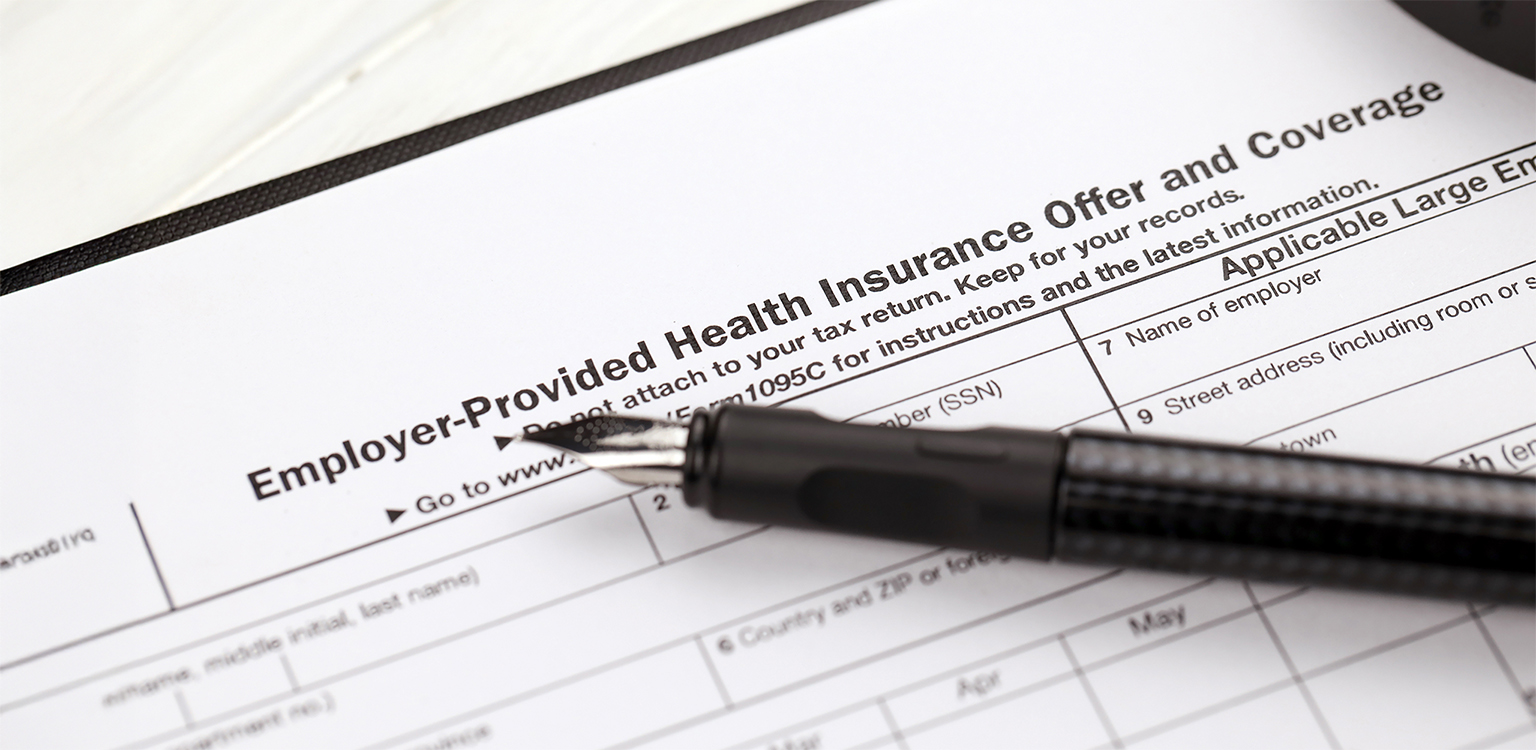
We see this far too often. A mother brings her son to a specialist, confident her insurance will cover the visit. She checks in, hands over her card, and the appointment moves forward without concern. Weeks later, a denial notice arrives. Her coverage had changed months earlier, and the visit is no longer eligible for reimbursement.
This shouldn’t happen. But it does—every single day. And behind every denial are patients, families, and care teams dealing with financial stress that could have been prevented.
At HealthRecon Connect, we work with practices across the country, and one thing is consistently clear: eligibility verification is not just paperwork. It is the first line of defense in protecting both revenue and patient trust.
Eligibility Verification Is Strategic, Not Administrative
Eligibility verification ensures:
- Is coverage active?
- What services are included or excluded?
- Are co-payments or deductibles due at the time of service?
- Is prior authorization required?
When these questions are answered before care begins, claims move faster, staff spend less time correcting errors, and patients trust that their care is supported—not jeopardized—by their insurance.
Why This Matters Today
Margins are tighter than ever, and claim denials are on the rise. Industry data shows that nearly one in four denials are caused by eligibility or registration errors. These are not random mistakes; they are preventable.
Proactive eligibility verification delivers results:
- Prevent Denials: Identify inactive policies and missing authorizations before claims are submitted.
- Build Patient Trust: Transparent conversations about costs reduce stress and surprise bills.
- Save Time and Resources: Less rework means staff can focus on meaningful work.
- Protect Compliance: Accurate checks guard against audits, fines, and payer disputes.
How Practices Can Do It Right
Effective eligibility verification is deliberate:
- Collect Accurate Data: Gather full patient demographics and insurance details at intake.
- Verify Coverage in Real Time: Use automated tools or clearinghouses to confirm coverage instantly.
- Confirm Service-Specific Requirements: Ensure prior authorizations match the services being provided.
- Document Everything: Record findings in EHR or billing systems to stay audit-ready.
- Communicate Clearly: Discuss copays, deductibles, and financial responsibilities before care begins.
The difference between thriving practices and struggling ones is often this simple: proactive versus reactive verification.
Technology Is a Key Enabler
Modern eligibility verification platforms replace hours of manual work:
- Instant verification of benefits and coverage
- Direct integration with EHR and practice management systems
- Reduced human error through automation and real-time updates
- Analytics to reveal payer patterns and recurring bottlenecks
Outsourcing When It Makes Sense
Specialties like behavioral health or oncology face complex payer rules. Partnering with an expert team, like HealthRecon Connect, gives practices:
- Access to professionals who specialize in payer communication
- Faster, more accurate eligibility checks that prevent denials
- Reduced administrative burden so clinical teams can focus on patient care
- Scalable, technology-driven workflows that grow with practice
Final Thoughts
Eligibility verification is not a back-office task—it is a strategic foundation for revenue integrity and patient trust. Patients who understand their financial responsibilities are more likely to pay on time. Staff spend less time fixing errors. Providers protect margins and reduce risk.
At HealthRecon Connect, we see eligibility verification as an opportunity: to strengthen compliance, safeguard revenue, and build trust between providers and patients. Done right, it is the first step toward healthier revenue cycles and stronger relationships with the communities we serve.